How Crypto Casino Operators in the UK Are Investing in Green Energy: The Rise of Biogas-Powered Data Centres
How Crypto Casino Operators in the UK Are Investing in Green Energy: The Rise of Biogas-Powered Data Centres
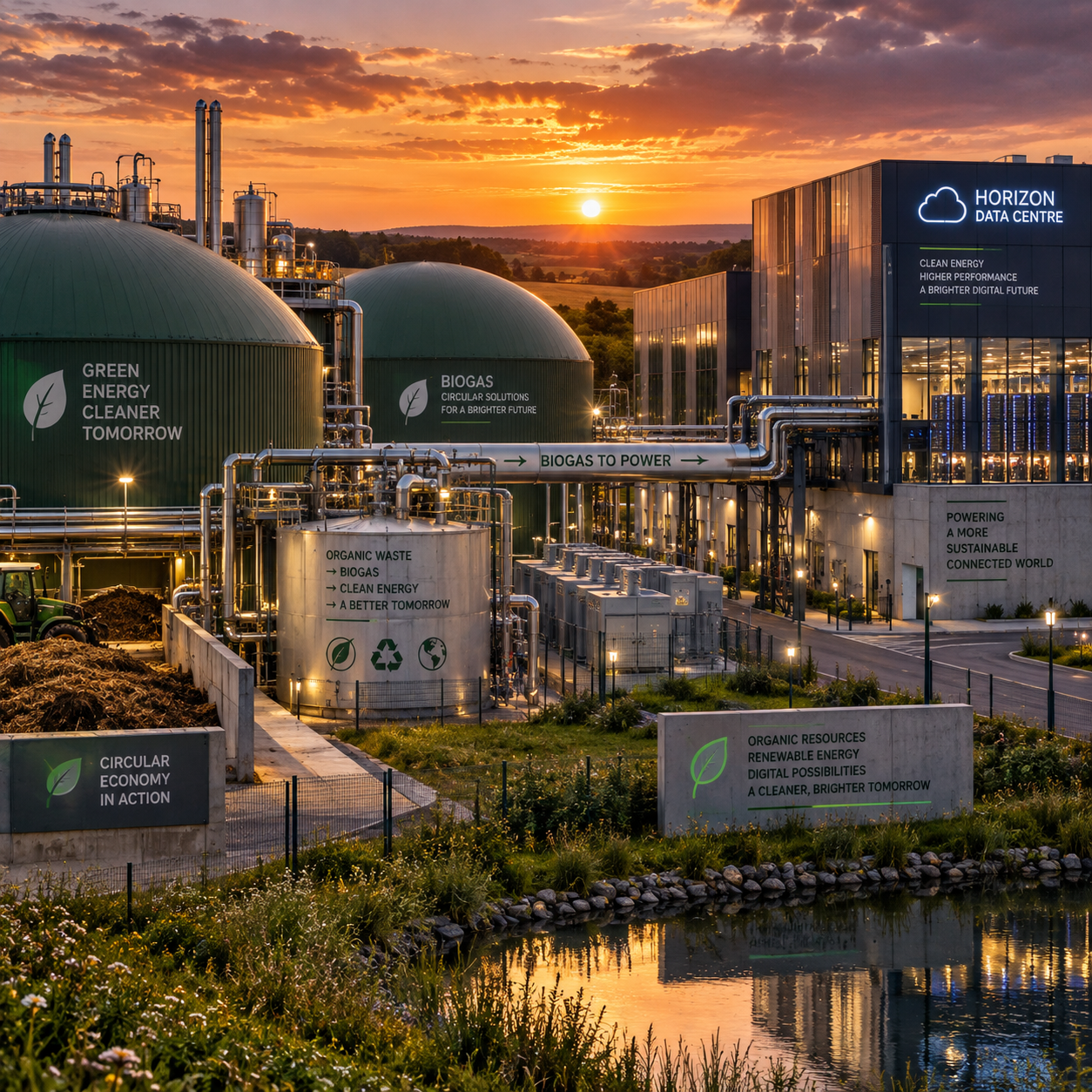
I've been following the UK gambling tech scene for a while now, and something interesting has been brewing beneath the surface. As the online gambling sector faces increasing environmental scrutiny, crypto casinos in particular are finding themselves in an awkward spotlight. Blockchain transactions, real-time payouts, and the always-on nature of digital gambling platforms don't come cheap in terms of energy consumption. What's caught my attention lately is how a handful of forward-thinking operators are turning to an unexpected solution: biogas.
Regulatory pressure is mounting, sure, but there's also genuine demand from players who want to know their late-night poker session isn't contributing to a small climate disaster. This shift toward renewable energy—biogas specifically—represents one of the more practical, if underreported, developments in UK gambling technology right now.
The Environmental Footprint of Crypto Casinos
Let's be honest about the scale of the problem first. Crypto casinos aren't just running a website; they're maintaining server farms that process thousands of transactions per minute during peak hours, verify blockchain entries, and keep cooling systems running around the clock. In the UK, where energy costs have been notoriously volatile since 2022, this operational reality has become a genuine business concern, not just an environmental one.
The UK government's carbon reduction targets don't specifically single out gambling companies, but the broader push toward net-zero commitments by 2050 means every energy-intensive industry gets pulled into the conversation eventually. Data centres, which power everything from payment processing to game hosting, are increasingly viewed as low-hanging fruit for emissions reductions.
Why Crypto Transactions Are Energy-Intensive
Here's where it gets technical, but I'll keep it simple. Proof-of-work blockchain models—think older Bitcoin-style verification—require massive computational effort to validate transactions, which translates directly into electricity consumption. Proof-of-stake models are more efficient, but even these require substantial server infrastructure to maintain security and speed.
During peak betting hours, say a major football match or a big crypto price swing that triggers a rush of deposits, server load spikes dramatically. This isn't a steady, predictable draw on power; it's spiky and demanding, which makes traditional grid reliance both expensive and inefficient for operators trying to scale sustainably.
The Shift Toward Biogas-Powered Data Centres
Biogas has quietly become one of the more compelling renewable options for UK data centres. Unlike solar or wind, which depend heavily on weather conditions, biogas offers a more consistent, decentralized energy supply. It's produced from organic waste—agricultural residue, food scraps, sewage—converted into usable methane gas that can generate electricity on-site or near-site.
For crypto casino operators chasing ESG credibility (and let's face it, most licensed UK platforms are under pressure to demonstrate some environmental responsibility), biogas offers a genuinely different value proposition compared to simply buying carbon offsets or green energy certificates.
How Biogas Technology Works
The process itself isn't overly complicated. Anaerobic digestion breaks down organic material in oxygen-free environments, producing methane as a byproduct. That methane gets captured, cleaned, and fed into generators that produce electricity. It's essentially turning waste that would otherwise decompose and release emissions into a controlled, usable power source.
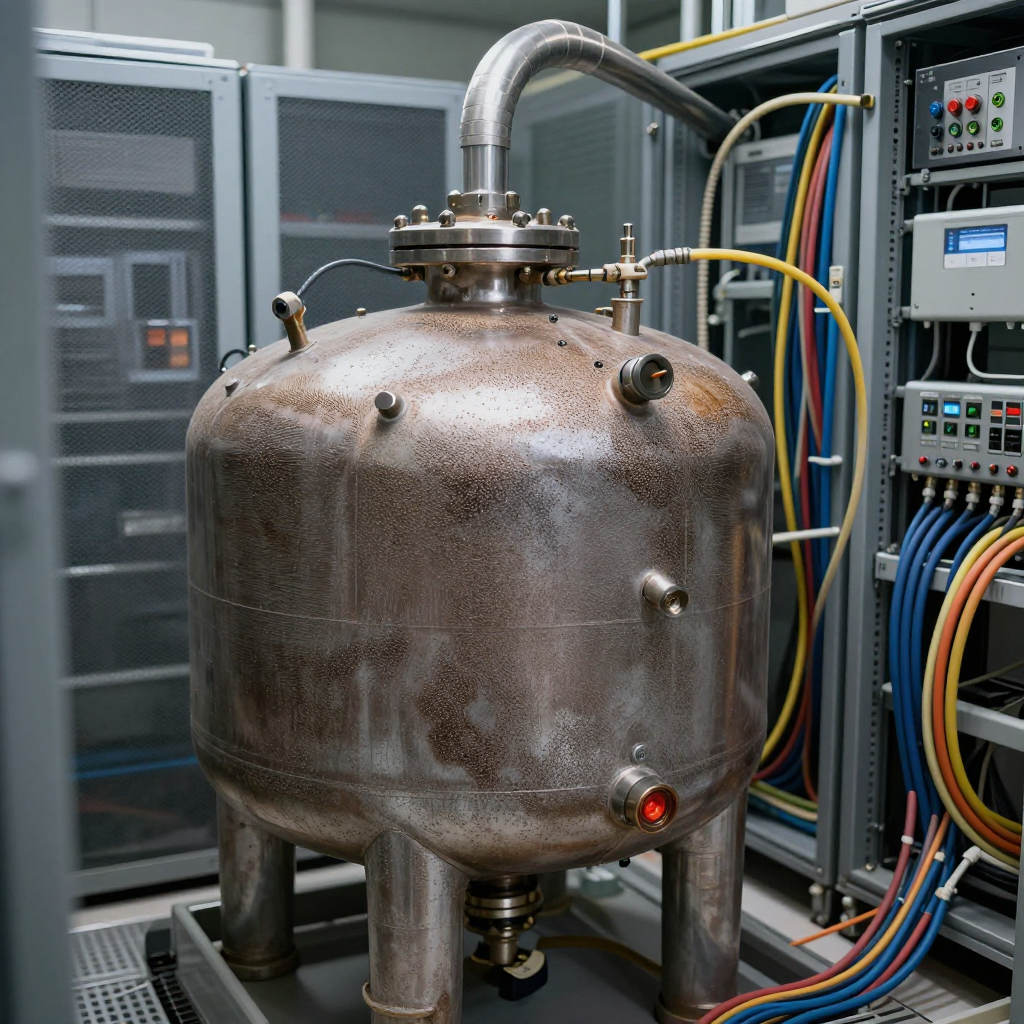
What makes this particularly appealing for data centre applications is the scalability. You don't necessarily need a massive facility—smaller, localized biogas units can supply power directly to nearby server farms, reducing transmission losses and grid dependency simultaneously.
UK Crypto Casino Operators Leading the Charge
While I can't name specific platforms without getting into speculative territory, there's a growing pattern among UK-licensed crypto gambling operators investing in renewable infrastructure partnerships. Several have started exploring collaborations with clean energy startups, particularly those focused on decentralized, small-scale power generation that doesn't require the enormous capital outlay of a full grid-scale renewable project.
This is where European research initiatives become genuinely relevant. Ongoing biogas research projects, such as those supported by crypto casino infrastructure innovators studying micro-scale anaerobic digestion, are providing valuable groundwork for smaller operators who want sustainable power without the massive investment typically associated with industrial biogas plants. This kind of research matters because it's demonstrating that decentralized energy production isn't just theoretical—it's becoming operationally viable at a scale that suits mid-sized data centre hubs.
Case Study Approach — Micro-Biogas Pilot Projects
Micro-scale biogas units, similar to those explored in EU-funded research programmes, could realistically integrate into localized UK data centre clusters. Imagine a regional server hub in, say, the Midlands or East Anglia (areas with strong agricultural output) drawing power partly from nearby farm waste conversion rather than relying entirely on the national grid or, worse, diesel backup generators during outages.
This localized approach reduces both carbon footprint and operational risk. Diesel generators, while reliable, are neither cheap nor particularly clean, and their use during grid instability has long been a sore point for environmentally conscious tech operators.
Benefits of Sustainable Gambling Tech
The advantages here go beyond just looking good on a sustainability report. Long-term operational costs tend to decrease once biogas infrastructure is established, since operators aren't as exposed to volatile national energy pricing. There's also a reputational upside—players increasingly favour platforms that demonstrate genuine environmental commitment rather than superficial greenwashing.
- Reduced exposure to UK energy price volatility
- Improved compliance with evolving UK Gambling Commission ESG expectations
- Stronger brand differentiation in a crowded crypto gambling market
- Appeal to environmentally conscious players seeking ethical platforms
Challenges and Barriers to Adoption
None of this comes without hurdles, though. Upfront infrastructure costs for biogas systems remain substantial, and smaller operators may struggle to justify the investment without clearer regulatory incentives. There's also ongoing uncertainty around what actually counts as 'green certification' for gambling platforms—the criteria aren't standardized yet, which makes it harder for operators to market their efforts credibly.
The UK's biogas supply chain, while growing, isn't as mature as countries like Germany or Denmark, where agricultural biogas has been established for decades. Integration with existing crypto payment infrastructure adds another layer of complexity, since most data centre retrofits require careful planning to avoid downtime during peak gambling hours.
What This Means for Players and the Industry
I think we're heading toward a genuine shift by 2027–2028, where sustainability credentials become a real competitive differentiator rather than just marketing fluff. Players are increasingly savvy about where their money goes and how platforms operate behind the scenes. As licensing requirements potentially tighten around environmental disclosure, operators who've already invested in biogas or similar renewable solutions will likely have a distinct advantage.
This could reshape platform selection criteria entirely—imagine choosing a crypto casino not just for odds or bonuses, but for its verified carbon footprint.
Conclusion
The UK crypto casino sector is quietly undergoing a meaningful transformation. Biogas-powered data centres aren't a fringe experiment anymore; they represent a tangible, scalable step toward genuinely sustainable gambling technology. As micro-scale biogas research continues to mature and regulatory expectations evolve, I expect sustainability to become less of a differentiator and more of a baseline requirement for responsible crypto gambling innovation across the UK market.